5 Retirement Scams That Target People Who Feel Financially Behind

When retirement is approaching and your savings seem insufficient, an opportunity to catch up quickly can sound appealing.
You know you need more money. You feel like you are running out of time. Then someone appears with an investment that supposedly solves both problems.
That is where scammers find an opening.
Feeling financially behind does not mean you lack intelligence. But fear can make promises sound more believable, and urgency can cause you to skip questions you would normally ask.
The desire to catch up should never cost you what you still have.
Here are five scams to recognize.
1. The “Guaranteed High Returns” Investment
The pitch sounds perfect: impressive returns, little risk, and an opportunity to make up for years of limited savings.
Perhaps someone promises to double your money. Or they offer unusually high monthly income with a guarantee that your original investment is safe.
Promises of high returns with little or no risk are classic investment fraud warning signs. Some schemes use money from new investors to pay earlier investors, creating the appearance of success.
Watch for: Guaranteed high returns, vague explanations, and pressure to invest immediately.
Ask questions. Check the investment professional’s registration and background through Investor.gov. A polished presentation does not prove an investment is legitimate.
2. The Online Friendship That Becomes an Investment Pitch
It may begin with a friendly message, an online relationship, or even a text supposedly sent to the wrong person.
Over time, the person earns your trust. Then they introduce an investment opportunity, sometimes involving cryptocurrency. They offer to guide you through the process.
A convincing website may show your account growing. But those numbers can be fabricated. When you try to withdraw money, you may be told to pay additional taxes or fees first.
Watch for: An online acquaintance directing you to an unfamiliar investment platform.
Do not let a developing relationship replace independent verification.
3. The Scammer Who Uses Shared Faith to Gain Your Trust
A scammer may talk about their faith, quote Scripture, or claim to share your Christian values to make an investment pitch feel trustworthy.
This tactic is called “affinity fraud.” Scammers exploit shared beliefs and relationships to lower people’s defenses. They may also deceive a trusted friend or ministry leader who unknowingly passes the opportunity along.
Watch for: Someone using religious language or shared connections to discourage questions about an investment.
Faith should shape how we handle money. But someone claiming to share your faith does not make their investment legitimate. Verify their credentials and investigate the opportunity independently.
4. The “Your Retirement Money Is in Danger” Call
A caller claims to represent your bank or a government agency. They say criminals have compromised your account and insist you transfer your savings to a “safe” account.
For someone with limited retirement savings, the possibility of losing everything can trigger immediate panic.
The FTC warns that instructions to move money to “protect it” are a scam.
Watch for: Unexpected calls demanding transfers, secrecy, or immediate action.
Hang up. Contact your financial institution using a number from your statement or its official website.
5. The “We Can Recover Your Money” Offer
After an investment loss, someone promises to recover your money—for an upfront fee.
Scammers sometimes target previous fraud victims, pretending to represent regulators or recovery organizations. The promise of getting money back can lead to another loss.
Watch for: Unsolicited recovery offers requiring payment before you receive anything.
If you suspect fraud, contact your financial institution immediately and report it at ReportFraud.ftc.gov.
You do not have to make a financial decision simply because someone creates a deadline. Pause. Ask questions. Involve someone you trust.
Protecting your savings begins with refusing to let fear make your decisions.
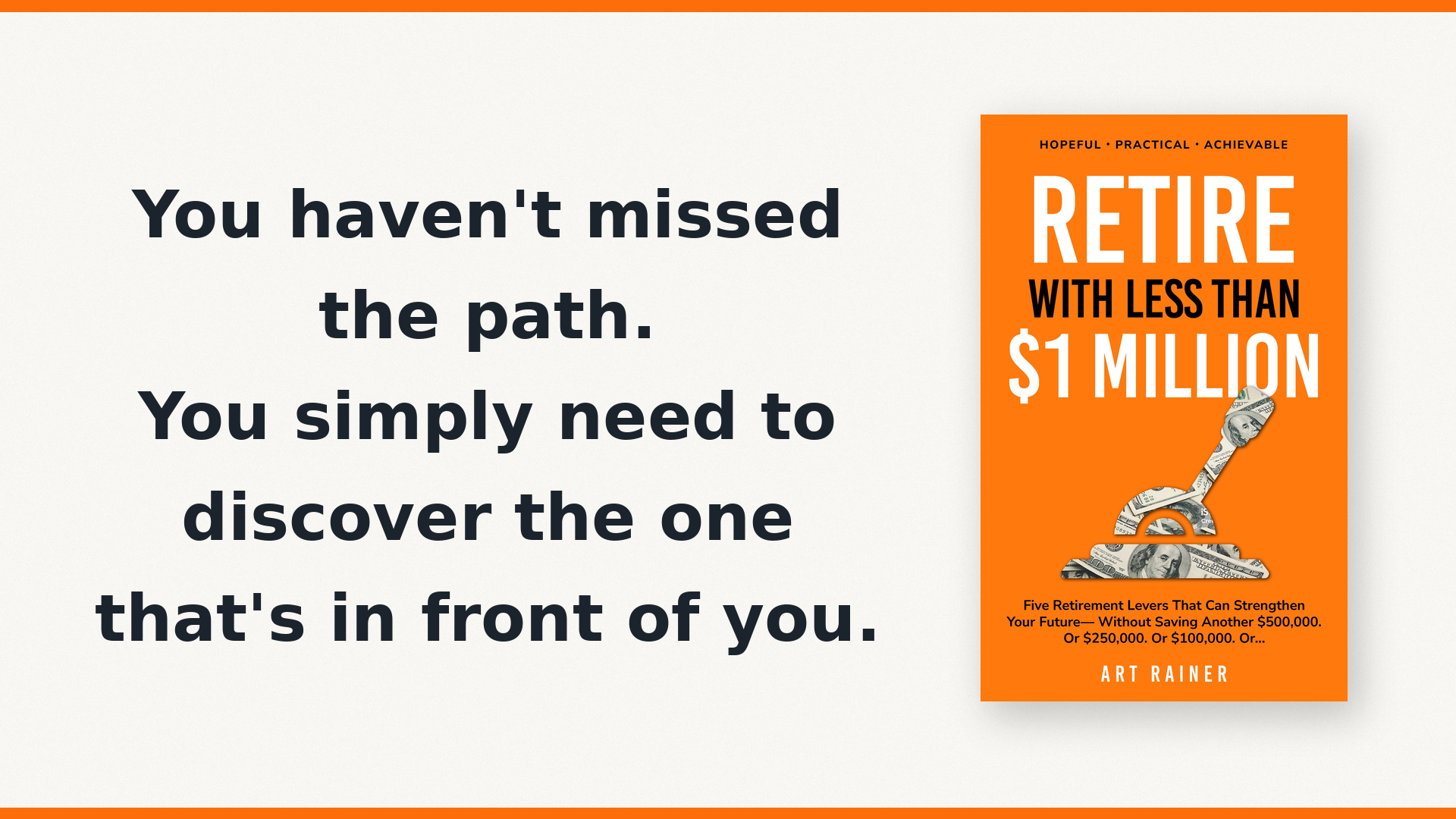
And if you are approaching retirement, consider checking out Retire With Less Than $1 Million.