What War Means for the Economy—and Your Retirement
When conflict erupts somewhere in the world, most people think first about the humanitarian cost. That should always be our primary concern. War brings real suffering, real loss, and real instability for millions of people.
But conflict also has ripple effects that reach far beyond the battlefield. Even wars taking place thousands of miles away can impact the global economy, and ultimately your retirement savings.
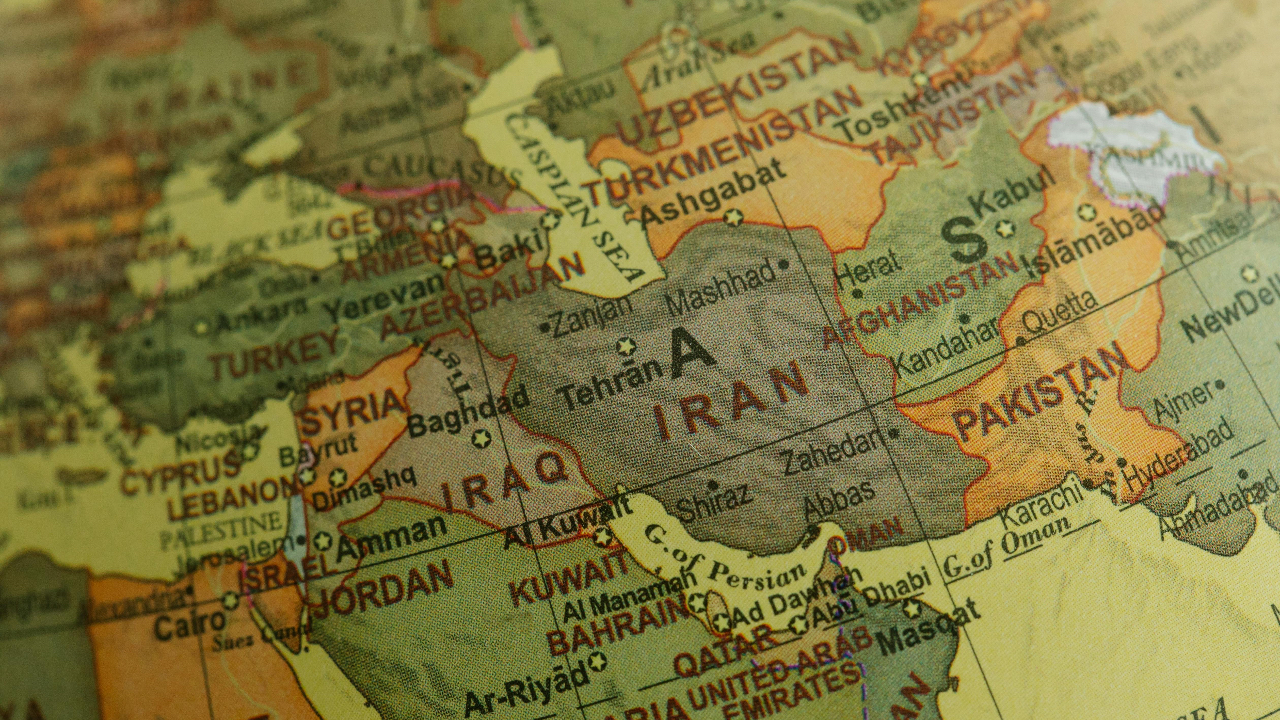
With the recent tensions involving Iran, many investors are wondering how geopolitical conflict might affect their financial future. While no one can predict exactly how events will unfold, understanding the economic dynamics can help you respond with wisdom rather than fear. Here are a few things to be aware of:
1. War Often Creates Market Volatility
One of the first places conflict shows up is in the financial markets.
When uncertainty increases, investors tend to react quickly. Stock markets may drop sharply. Other times they swing dramatically from day to day. That volatility can feel unsettling, especially if you regularly check your retirement accounts.
If you have a 401(k), IRA, or other investment account, you may see fluctuations in your balance during periods of geopolitical tension. That’s normal. Markets dislike uncertainty, and war creates plenty of it.
But here’s an important perspective: markets have experienced wars before.
They navigated conflicts in Iraq, Afghanistan, and many others. Historically, while wars often trigger short-term volatility, long-term investors who stayed disciplined were generally rewarded.
2. Energy Prices Can Affect the Entire Economy
Conflicts in the Middle East often carry an additional economic risk: energy disruption.
Countries in that region play a major role in global oil production. When tensions rise, oil prices frequently follow. If shipping lanes are threatened or production slows, energy costs can spike.
Higher oil prices affect nearly every part of the economy.
Transportation becomes more expensive. Businesses face higher operating costs. Consumers pay more at the gas pump. Eventually, those increases can contribute to inflation.
For retirees, or those approaching retirement, inflation can be particularly concerning. Inflation quietly reduces purchasing power over time. If the cost of living rises faster than your investments grow, your savings won’t stretch as far.
3. War Can Influence Interest Rates and Government Spending
Military conflict also affects government finances.
Wars typically increase government spending, particularly on defense. Governments may borrow more money to fund those efforts, which can influence interest rates throughout the economy.
Higher interest rates can impact both stocks and bonds, two core components of most retirement portfolios. Businesses may borrow less, housing markets may cool, and economic growth can slow.
None of this guarantees a recession. But it does add another layer of economic complexity.
4. The Bigger Risk: Emotional Decisions
Interestingly, the greatest financial risk during times of conflict often isn’t the war itself.
It’s the emotional decisions investors make.
When headlines feel overwhelming, some people panic and pull their money out of the market. They sell investments after prices have already dropped. Then they miss the recovery when markets stabilize.
That pattern, fearful selling followed by missed rebounds, can quietly damage long-term retirement outcomes.
A Biblical Perspective on Financial Uncertainty
Scripture reminds us that uncertainty is part of living in a fallen world.
Jesus said in Matthew 6:34, “Therefore don’t worry about tomorrow, because tomorrow will worry about itself.”
That doesn’t mean ignoring reality. It means remembering where our ultimate security comes from.
Our hope is not in the stability of markets, the strength of economies, or the predictability of world events. Our hope is in the Lord.
At the same time, Scripture consistently calls us to practice wise stewardship. Diversification, long-term planning, and disciplined investing are simply modern applications of biblical wisdom.
Stay Focused on the Long-Term
For those saving for retirement, the key is perspective.
A retirement plan may span 20, 30, or even 40 years. During that time, the world will experience elections, recessions, geopolitical tensions, and yes, wars.
But history shows that disciplined, diversified investors often navigate those seasons successfully.
The goal isn’t to ignore global events. It’s to refuse to let headlines dictate your financial decisions.
In uncertain times, wise investors remember two things: markets are temporary, and God’s faithfulness is not.
And that perspective changes everything.